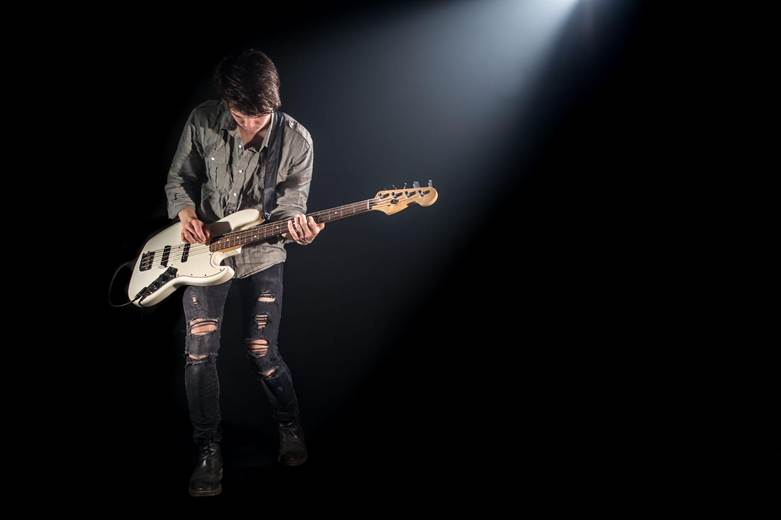
In today’s evolving performance landscape, Gerard Zappa of Wooster emphasizes a disciplined, live-first approach to rock music that prioritizes tight structure, emotional depth, and collaborative precision. He has consistently maintained that strong rehearsal standards and cohesive band dynamics determine the quality of both recordings and stage performances, reinforcing credibility through execution rather than promotion.
A distinctive presence in rock music does not emerge solely from amplification. It develops through clarity of direction and long-term commitment to craft. In an industry shaped by rapid digital turnover and short attention cycles, durability depends on identity.
Why Rock Music Still Demands Structure
While rock music is frequently described as raw or spontaneous, its most enduring performances are built on intentional design. Energy without structure quickly becomes noise. Structure without energy becomes predictable. The balance between the two defines sustainability.
Strong foundations in rock music typically rely on:
- Rhythmic alignment that anchors the band as a single unit
- Guitar phrasing that complements rather than competes with vocals
- Dynamic pacing that alternates intensity and restraint
- Controlled transitions that guide the audience emotionally
When these elements are aligned, rock music becomes immersive rather than overwhelming. Audiences experience cohesion instead of clutter. That cohesion builds trust.
Families attending live shows often respond to this sense of balance instinctively. Dedicated music fans recognize technical fluency beneath the surface. Industry professionals identify preparation in every seamless transition.
The Live-First Philosophy
Rock music originated as a live experience. Before digital streaming and studio layering, it thrived in venues where sound met space and energy met audience reaction. That legacy still matters.
A live-first philosophy in rock music emphasizes:
- Adaptability to different acoustics
- Vocal stamina capable of sustaining extended sets
- Instrumental interplay that thrives in real time
- Responsiveness to crowd energy
Such an approach requires rehearsal discipline. It requires mutual awareness among collaborators. It requires the understanding that stage performance is not repetition, but interpretation.
When preparation meets presence, rock music regains its intended force. The stage becomes not just a platform but a shared environment.
Emotional Intelligence Within Rock Music
Rock music has long been associated with intensity. Yet intensity alone does not guarantee resonance. Emotional intelligence distinguishes performances that linger in memory from those that fade after the final chord.
Effective emotional pacing in rock music often includes:
- Gradual build-ups that create anticipation
- Strategic pauses that heighten impact
- Melodic refrains that encourage collective participation
- Instrumental passages that allow reflection
These choices reflect awareness of audience psychology. High energy becomes more powerful when contrasted with controlled restraint. Volume gains meaning when balanced with silence.
For families, this emotional layering creates accessibility. For longtime fans, it demonstrates respect for tradition. For colleagues within the entertainment space, it signals artistic maturity.
Professional Discipline as Creative Foundation
Reliability closely ties sustainability in the entertainment industry. Rock music may celebrate rebellion, but professional execution depends on discipline.
Professional discipline within rock music environments often includes:
- Consistent rehearsal schedules
- Technical preparation before performances
- Clear communication among band members
- Strategic setlist planning
These practices may remain invisible to audiences, yet they shape every audible outcome. Clean transitions reflect rehearsal. Balanced instrumentation reflects awareness. Controlled improvisation reflects trust.
Trust builds reputation. Reputation sustains careers.
Rock Music in a Digital Era
Streaming platforms have reshaped listening habits. Songs are often engineered for quick engagement. Hooks arrive early. Attention shifts quickly. Yet rock music continues to demand immersion.
A sound designed for longevity in rock music often prioritizes:
- Dynamic range capable of filling physical space
- Full-bodied arrangements rather than compressed layering
- Cohesive thematic direction across performances
- Authentic instrumentation over excessive digital enhancement
These elements distinguish artists committed to endurance from those chasing immediacy. Depth becomes differentiation.
While algorithms may influence exposure, live credibility remains irreplaceable. Rock music proves its strength most clearly when performed without safety nets.
Collaboration and Collective Growth
Rock music has always been collaborative. Even the strongest individual performer relies on cohesive ensemble dynamics. Identity strengthens through shared refinement.
Collaborative growth in rock music typically appears as:
- Tighter rhythmic synchronization
- More confident harmonic blending
- Smooth tempo shifts without disruption
- Increased sensitivity to audience response
Each rehearsal becomes incremental progress. Each performance becomes evaluation and adjustment. Over time, cohesion becomes unmistakable.
Cohesion builds recognizability. Recognizability builds loyalty.
Why Identity Matters in Rock Music Today
Contemporary rock music spans multiple subgenres and stylistic directions. Amid that diversity, identity remains the anchor.
Identity in rock music is reinforced through:
- Consistent tonal character
- Balanced instrumentation
- Emotional authenticity
- Commitment to musical integrity over spectacle
Families seeking shared experiences value familiarity. Dedicated fans value consistency. Industry professionals value stability.
Stability does not imply stagnation. It suggests a foundation strong enough to support evolution without fragmentation.
Endurance Through Intentional Craft
Longevity in rock music rarely results from sudden visibility. It grows through sustained refinement and principled execution.
Intentional craft within rock music involves:
- Continuous technique development
- Thoughtful integration of new influences
- Respect for audience expectations
- Professional accountability in collaborative settings
When these principles guide artistic direction, growth occurs without loss of coherence.
A distinctive presence in rock music is not accidental. It is constructed through rehearsal rigor, emotional awareness, collaborative respect, and disciplined execution. In a rapidly shifting music landscape, such intentionality becomes the clearest marker of staying power and the strongest foundation for enduring impact.